
How to Learn a New Language Fast: 12 Practical Strategies

Want to learn a new language faster without spending every evening switching between apps? Start with one useful goal, practice with material you can understand, and use what you learn in speech or writing. Revisit it later instead of constantly starting something new.

You do not need an elaborate study system. You need a repeatable routine that connects understanding, remembering, and communicating. Here is how I would put that routine together, with options for different schedules and a practical first-month plan.
How to Learn a New Language Fast: 12 Strategies That Work Together
The aim is not to squeeze twelve separate activities into every day. Pick a few that address your biggest difficulty, then connect them: listen to something useful, notice an expression, try it yourself, and return to it after a break.
1. Define One Real Conversation You Want to Handle
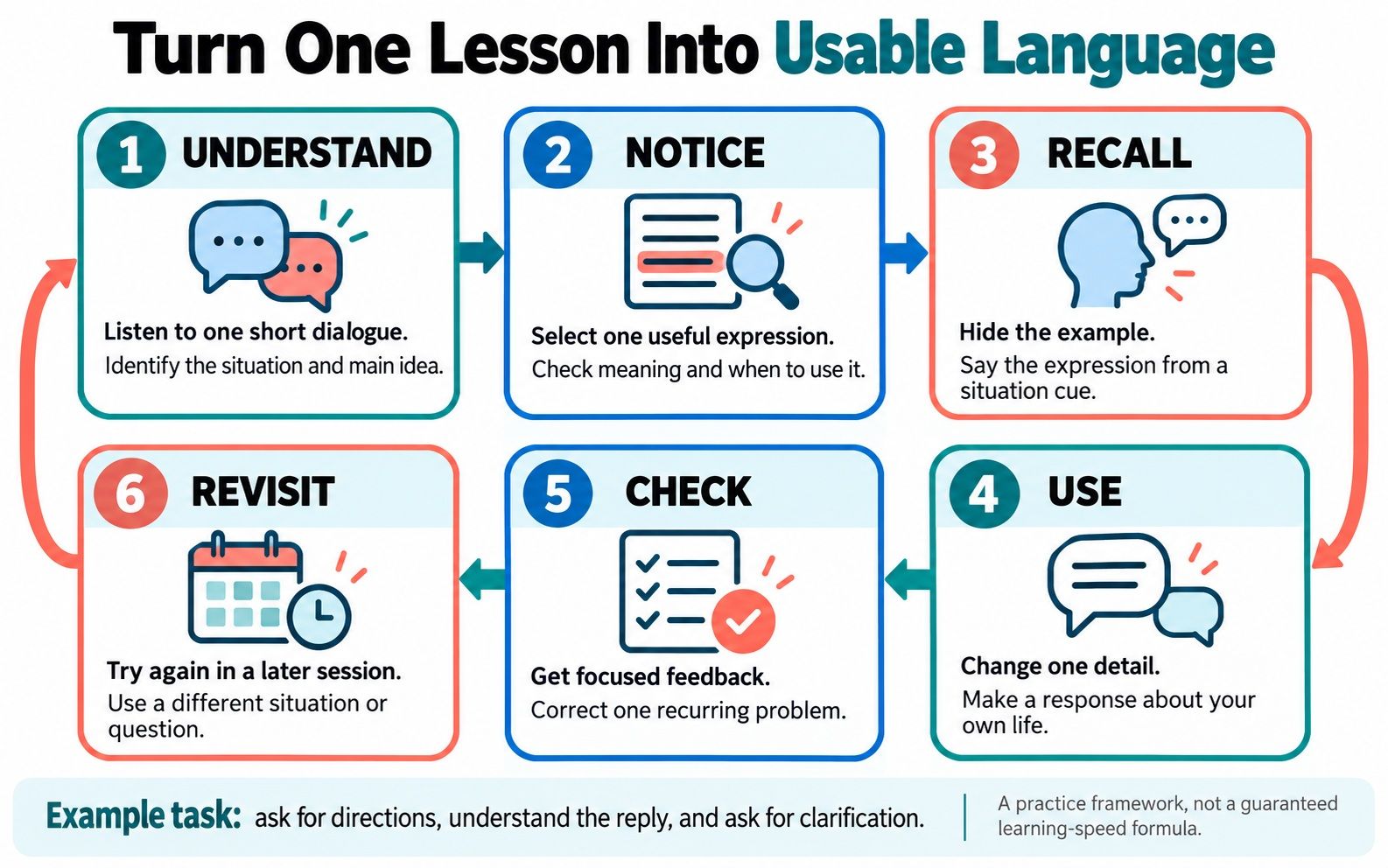
"Learn French" is a direction, not a study task. "Explain a dietary restriction and ask about a menu" gives you a much clearer idea of what to practice next.
Choose a situation you expect to encounter, then list what you need to understand as well as what you need to say. A conversation does not end when you deliver your rehearsed opening sentence.
| Your goal | A useful first task | Evidence of progress |
|---|---|---|
| Travel | Ask for directions and clarify the answer | Follow a short explanation without translating every word |
| Work | Give a brief update and answer a follow-up | Explain a familiar task in your own words |
| Social conversation | Introduce yourself and ask about someone else | Keep a short exchange going beyond a memorized introduction |
| Study | Explain the main idea of a short lesson | Summarize it and answer a simple question |
Keep the first task small enough to rehearse this week. You can broaden the goal once you know what is actually difficult.
2. Build a Learning Path From a Small Set of Good Materials
It is easy to mistake collecting resources for making progress. A textbook, three apps, and a folder of saved videos can leave you with more decisions than practice.
Start with one main beginner course or sequence, one source of level-appropriate listening, and somewhere to record useful language. Choose materials with clear explanations and reliable examples rather than stitching together unrelated advanced videos.
If you already have lesson PDFs, course notes, and suitable videos, Lynote Learning Path can help organize those materials into ordered chapters with explanations, source references, and quizzes. Use that structure to decide what to work through next, then check the sequence against your actual language goal.
The intended workflow is straightforward:
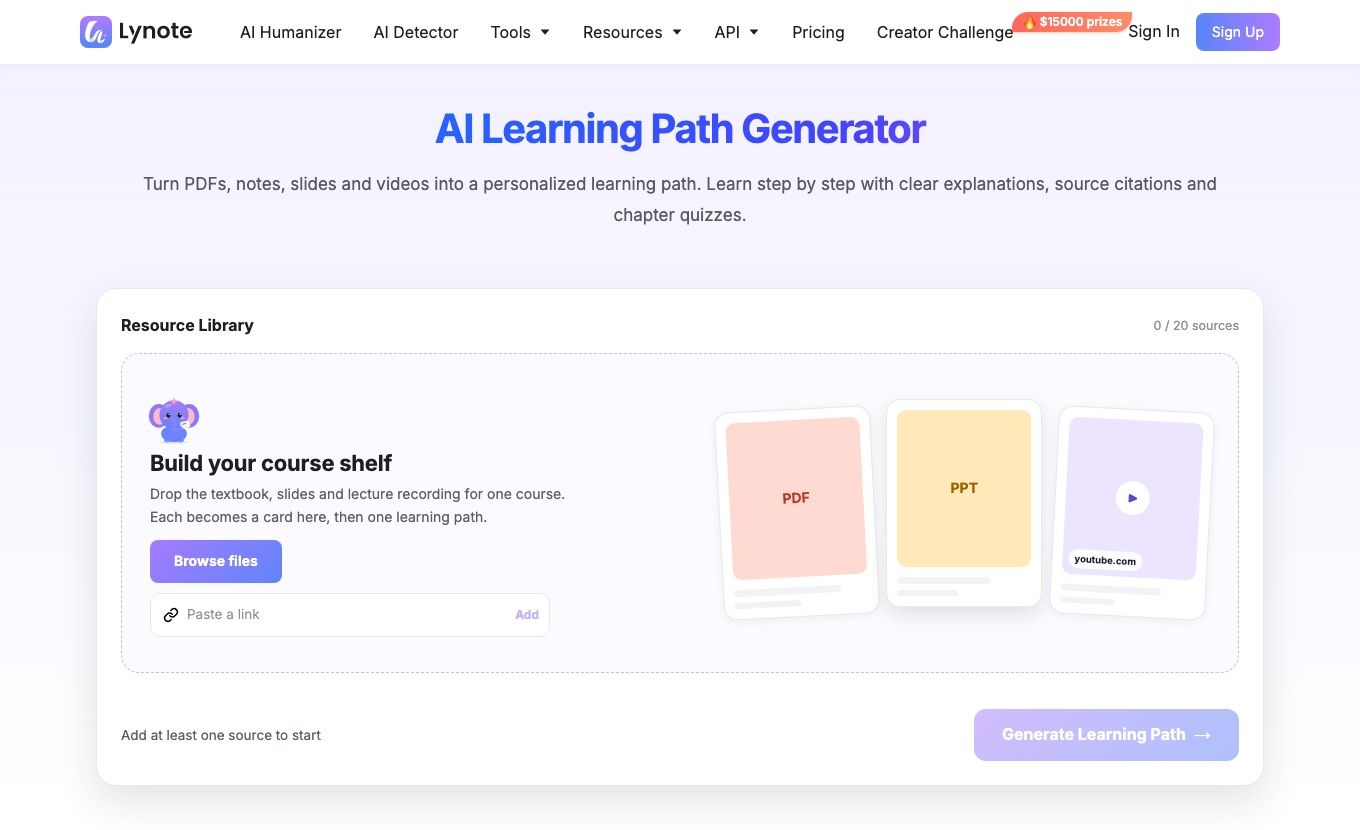
- Add a small set of related learning materials.
- Select Generate Learning Path.
- Work through a chapter, check the supporting source, and use the quiz to identify points to revisit.
A generated path is a starting structure, not proof that you now have a complete language curriculum. It also does not replace listening to speakers or practicing a real exchange.
3. Learn Useful Phrases, Not Just Isolated Words
A word list can tell you what a word means without showing you how to use it. Save short phrases that carry a purpose: asking for clarification, making a request, describing a problem, or giving an opinion.
For example, learn the equivalent of "Could you repeat that more slowly?" as a usable expression, then notice which parts can change. Follow it with a related phrase such as "Do you mean this one?" so you can repair a conversation when you miss something.
For each new expression, keep:
- The situation where it is useful.
- A reliable example with audio when available.
- A short meaning or explanation.
- One sentence you would genuinely say yourself.
Frequency matters, but relevance matters too. A common word you cannot yet use is less immediately helpful than a short expression that solves tomorrow's task.
4. Get Familiar With the Sounds and Writing System Early
Do not assume familiar-looking letters represent familiar sounds. Spend some early practice noticing pronunciation, stress, rhythm, and any sound distinctions that change meaning in your target language.
Use a short recording from a reliable learning source. Listen, repeat a manageable segment, and compare your attempt; focus on one difference rather than trying to fix your entire accent at once.
If the writing system is new, give it a small, regular place in your routine alongside listening. A temporary pronunciation aid may help you start, but relying on it for too long can make reading the actual script harder to practice.
The goal is understandable communication and better sound recognition, not sounding like a native speaker before you are allowed to talk.
5. Choose Listening and Reading You Can Mostly Follow
If you have to stop at every sentence, the material may be too difficult for your main practice session. Choose something where you can follow the general meaning while still encountering a few useful gaps.
Short learner dialogues, graded reading, and clear videos about familiar topics are sensible starting points. Adult beginners do not have to use children's entertainment, which can contain unfamiliar voices, jokes, and vocabulary.
Try a three-pass approach:
- Read or listen once for the main idea without stopping for every unknown word.
- Check the small number of words or sentences that block understanding.
- Return to the original and explain its meaning without looking at the help.
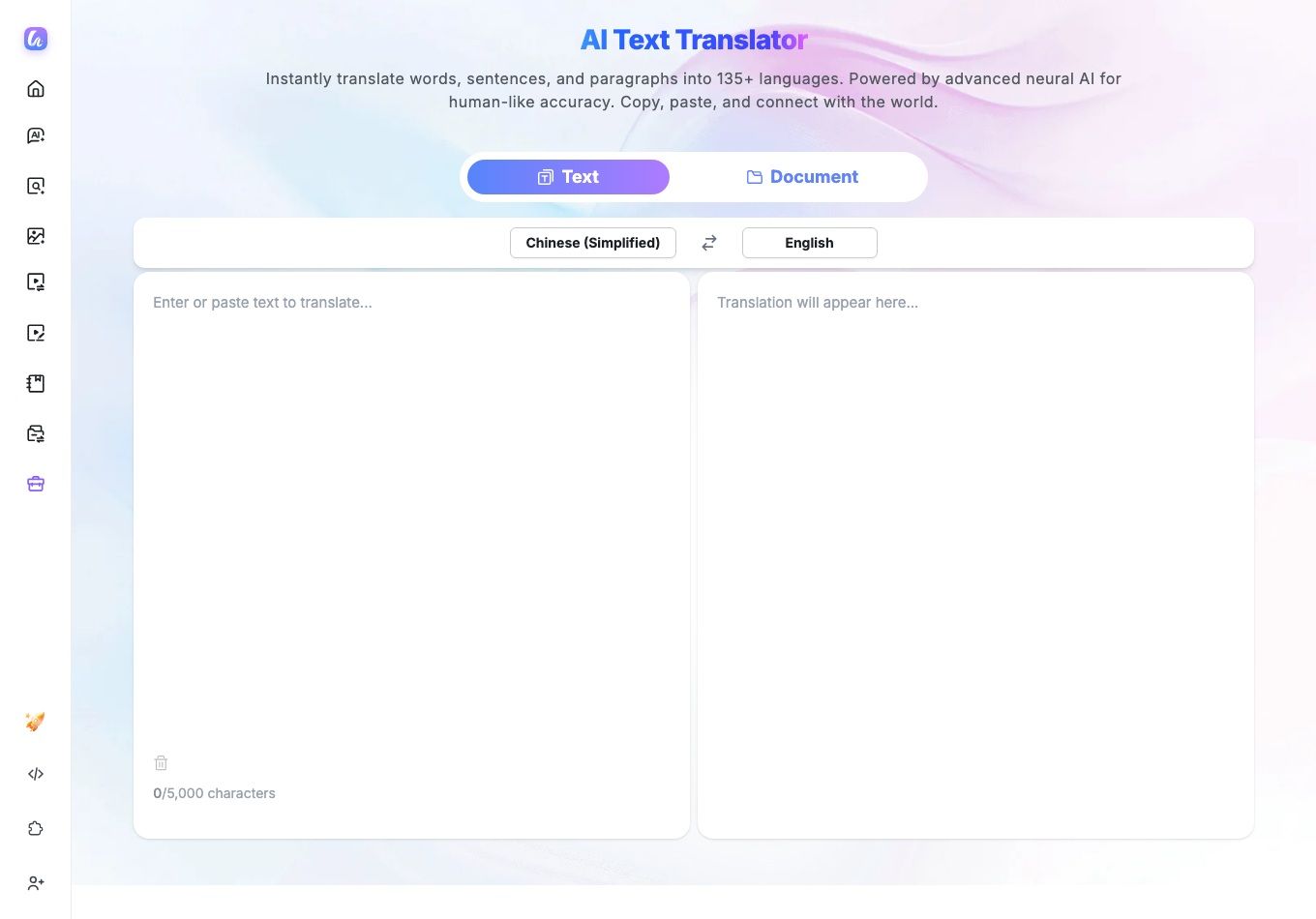
For a difficult sentence, Lynote AI Text Translator lets you paste a short passage and choose a target language. Use the translation to check meaning, then return to the original; supplying the surrounding sentence is usually more useful than translating an isolated word.
Treat translated wording as something to inspect, especially for idioms, politeness, and ambiguous expressions. If you always read the translation first, you miss the chance to discover what you could understand independently.
6. Turn Lessons Into Short, Reusable Language Notes
Good language notes help you do something later. A beautifully formatted transcript that you never revisit is less useful than a short page of expressions you can use in a conversation.
Organize notes around situations or recurring problems instead of copying an entire lesson. One page might cover asking questions politely; another might collect mistakes you make when describing past events.
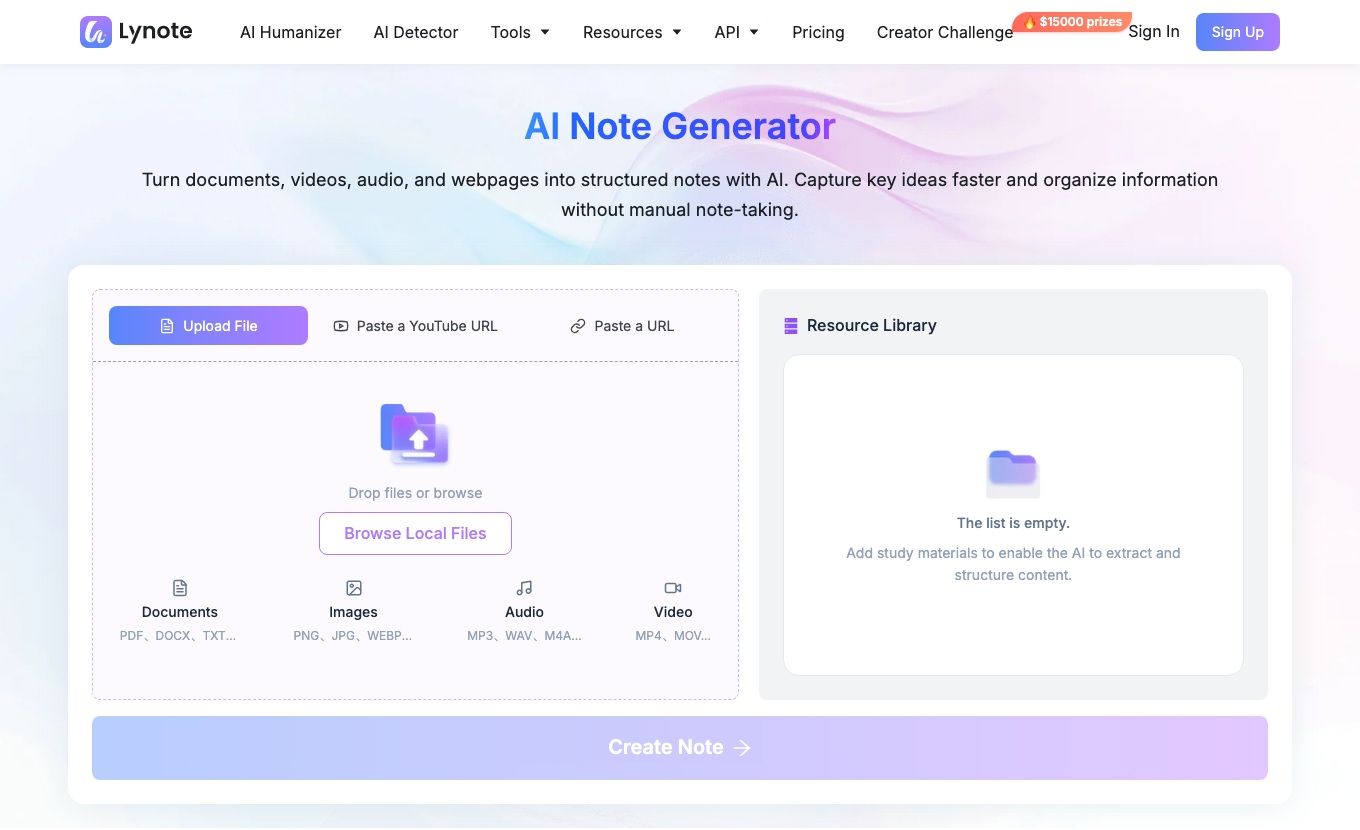
Lynote AI Note Generator can turn supported lesson files or links into editable structured notes. Use the generated outline to reduce sorting work, then select the expressions and examples that matter for your current goal.
- Upload a lesson file, or paste a suitable webpage or YouTube link. Click Parse for a pasted URL.
- Click Create Note to generate the initial structure.
- Check the notes against the lesson and edit them into a smaller study page.
| Note field | What to keep |
|---|---|
| Situation | When you would use the expression |
| Useful language | The expression or pattern from the lesson |
| Context | A short explanation of meaning, tone, or restrictions |
| Personal example | Something you would actually want to say |
| Practice prompt | A question that makes you recall the expression |
Do not let note-taking consume the whole session. Before closing the page, hide one example and try to produce it yourself.
7. Retrieve What You Learned Before Looking at the Answer
Recognizing a phrase on a screen is different from recalling it during a conversation. Give yourself a chance to remember before revealing the answer, then check and correct the attempt.
Retrieval practice and reviewing material across separate sessions have research support for learning and retention. That does not establish one universally best review timetable, or mean that flashcards alone will make you conversational.
Mix the prompts you use:
- See a situation and say the expression you would use.
- Hear a phrase and explain its meaning.
- Complete a sentence with the missing pattern.
- Use a familiar expression in a different context.
Return to difficult material sooner, and spread familiar items out as they become easier. If your review queue is overwhelming, reduce new additions before deciding that you need another app.
8. Start Speaking Before You Feel Ready
Waiting until you have "enough vocabulary" can become an endless delay. Start with a task you can partly manage, such as describing your morning or asking a few questions about someone's interests.
A tutor, language exchange partner, or patient speaker can help you practice responding rather than only delivering a script. Agree on one focus for the session so that feedback is useful rather than a running interruption after every sentence.
If you are practicing alone today, record a short answer, listen for a specific problem, and try again. This is useful preparation, but it does not fully reproduce the unpredictability of another person's response.
Learn how to ask for repetition, clarification, or a different explanation early. Those phrases let you continue learning inside the conversation instead of abandoning it as soon as something is unfamiliar.
9. Use Short Audio Clips for Focused Listening and Shadowing
Background listening can add exposure, but it should not be your only listening practice. A short clip you work through carefully gives you something specific to notice and improve.
Choose a clear recording with a reliable transcript when possible. Listen before reading, check the transcript, then listen again to locate the words you missed.
For shadowing, repeat a short stretch just behind the speaker, paying attention to rhythm and phrasing. If that is too demanding, pause after each phrase and repeat it instead.
Finish by saying what the clip means in your own words. Accurately copying the sound is not the same as being able to use the language independently.
10. Learn Grammar Through Patterns You Can Reuse
You do not have to choose between studying every rule and ignoring grammar entirely. A short explanation is often most useful when it solves a problem you have already noticed in a sentence.
Take one pattern, understand its purpose, and create a few variations relevant to your life. Change the person, time, or object while checking which other parts must change with it.
For example, a beginner might work on stating a preference, asking someone else's preference, and giving a reason. Those connected uses turn a grammar point into a small conversation rather than an isolated worksheet.
Keep a reliable reference available for questions you cannot resolve from examples. Guessing repeatedly is not necessarily more efficient than reading a clear explanation once.
11. Get Specific Feedback and Keep a Small Error Log
"How was my speaking?" can produce vague encouragement. "Was my meaning clear, and what is one recurring error I should fix?" gives a teacher or partner a more manageable request.
Record the original problem, the corrected form, and a new example that uses the correction. Revisit that example later without the answer visible.
Prioritize mistakes that change meaning, block communication, or occur repeatedly. Trying to fix every small detail at once can make your next attempt more hesitant without giving you a clear practice target.
AI feedback can offer useful suggestions, but check uncertain explanations and unnatural-sounding alternatives against a reliable reference or qualified speaker. An authoritative tone is not evidence that a correction is right.
12. Repeat a Weekly Task to Measure Real Progress
Streaks show that you opened something; they do not tell you what you can now understand or say. Choose a recurring task and compare your attempts across weeks.
You might record a short introduction, summarize a familiar topic, or answer questions about your plans. Keep the core task comparable, but vary a follow-up question so that you are not only measuring memorization of a script.
Look for practical changes:
- You need fewer prompts to finish the task.
- You understand more of a comparable recording.
- You recover from missing a word instead of stopping.
- You reuse a corrected pattern in a new sentence.
Let those observations shape the next week's practice. If reading improves but listening does not, more written vocabulary review may not be the adjustment you need.
A Daily Language-Learning Routine for 15, 30, or 60 Minutes
I would build the routine around your available time rather than someone else's ideal schedule. The examples below include review, understandable input, a little output, and a check of what needs attention.
These are starting allocations, not scientifically optimal doses. Move time toward your weakest skill and schedule occasional longer conversations when possible.
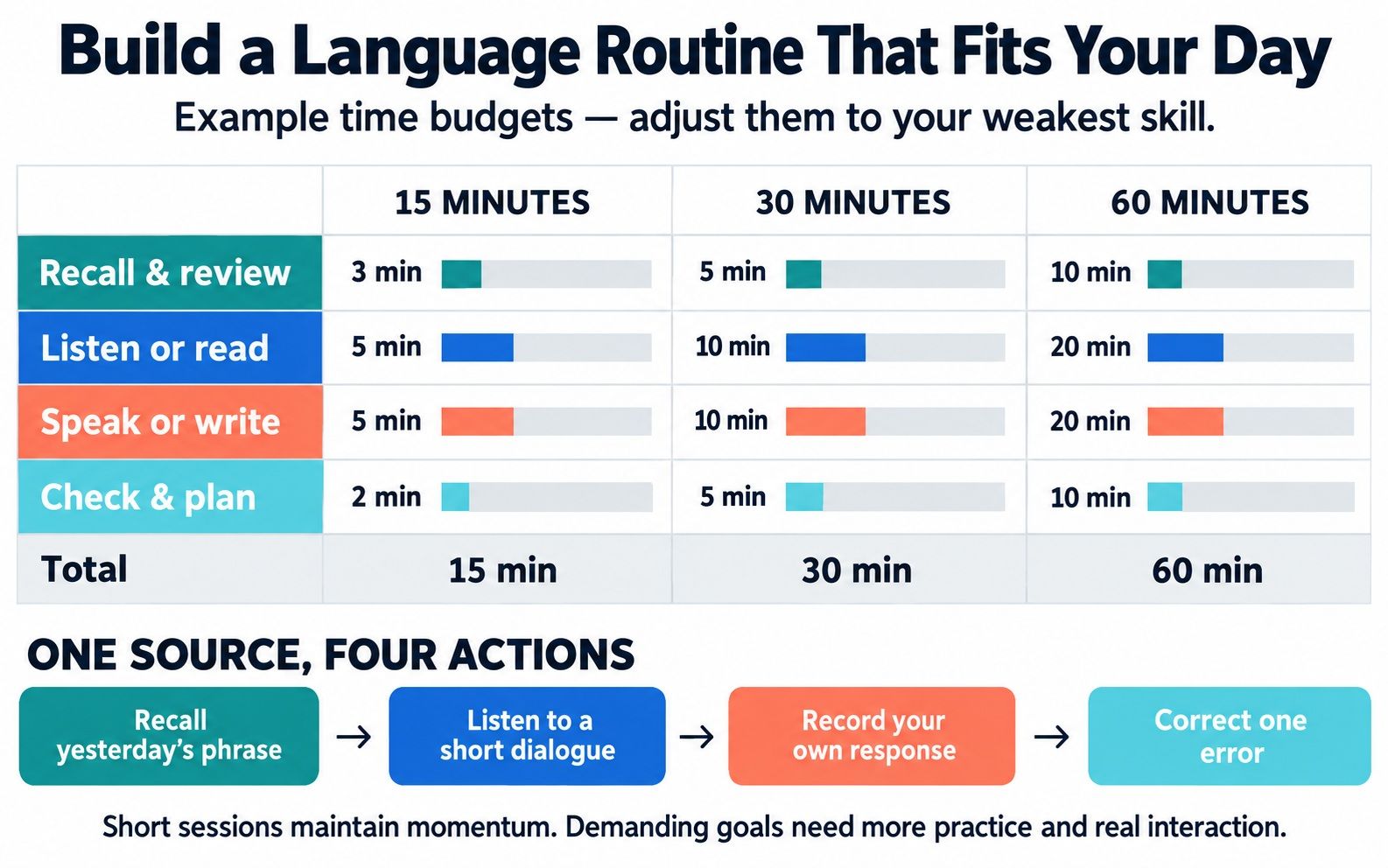
| Activity | 15-minute session | 30-minute session | 60-minute session |
|---|---|---|---|
| Recall and review | 3 minutes | 5 minutes | 10 minutes |
| Focused listening or reading | 5 minutes | 10 minutes | 20 minutes |
| Speaking or writing | 5 minutes | 10 minutes | 20 minutes |
| Check errors and plan the next session | 2 minutes | 5 minutes | 10 minutes |
| Total | 15 minutes | 30 minutes | 60 minutes |
For a short session, reuse one source across activities. Listen to a brief dialogue, recall a useful phrase, and record your own response to the same situation rather than switching topics four times.
On a busy day, a small review and one spoken response can keep the routine alive. Do not confuse that maintenance session with the larger amount of practice a demanding goal may require.
What to Focus on During Your First 30 Days
Use your first month to build a workable routine and a small set of usable skills. It is a planning window, not a promise that you will become fluent by day 30.
| Week | Main focus | Practical output | What to check |
|---|---|---|---|
| 1 | Choose a goal, suitable materials, and basic sound practice | A short introduction plus a few clarification phrases | Can you understand the examples you are copying? |
| 2 | Build useful expressions around one situation | A short role-play or written exchange | Can you respond without reading every line? |
| 3 | Add variations and targeted feedback | The same situation with an unexpected question | Can you adapt rather than repeat a script? |
| 4 | Revisit weak points and repeat the baseline task | A fresh recording and a brief progress note | What improved, and what still needs support? |
A traveler could organize the month around transport, food, and accommodation. Someone learning for work might instead focus on introductions, task updates, and clarification during a meeting.
If you already know the basics, skip beginner material you can comfortably use. Set the baseline at your current level, such as explaining an opinion or following a longer discussion, rather than restarting because a calendar says "week one."
Why You Can Understand a Language but Still Struggle to Speak
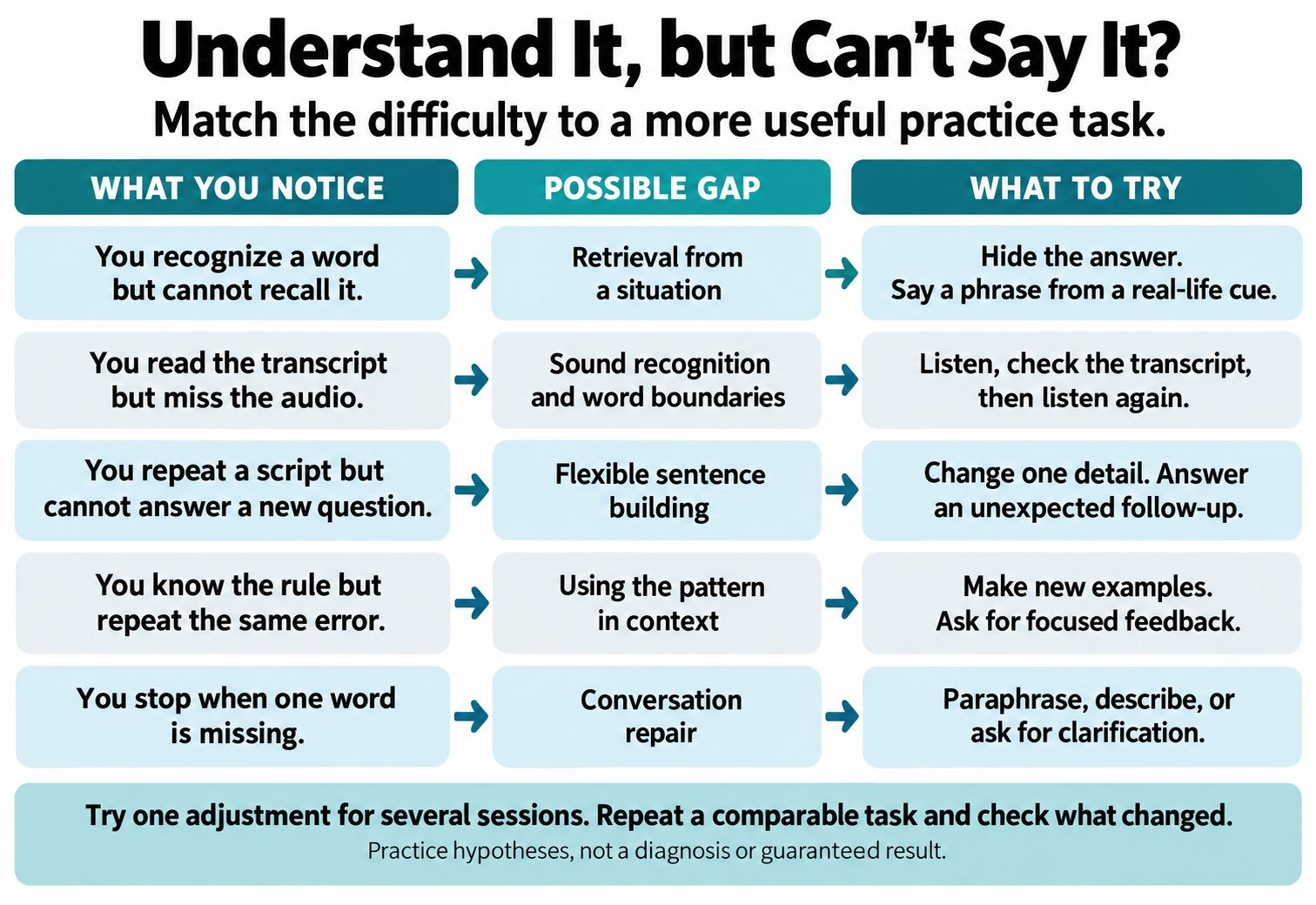
Reading and listening give you clues: surrounding words, a speaker's gestures, or the topic of a passage. Speaking requires you to find language and assemble it while deciding what you mean.
That is why a growing recognition vocabulary does not automatically become a ready-to-use speaking vocabulary. The answer is not always "learn more words"; sometimes you need more attempts at retrieving and adapting the words you already know.
| What you notice | A possible gap | A useful adjustment |
|---|---|---|
| You recognize a word but cannot say it when needed | Recall from a situation is weak | Practice situation-to-expression prompts |
| You understand the transcript but miss the audio | Sound recognition or word boundaries | Compare a short recording with its transcript |
| You can repeat a dialogue but cannot answer a new question | Practice is too scripted | Change one detail and add a follow-up |
| You can explain a grammar rule but make the same error | The pattern needs practice in context | Create new examples and get focused feedback |
| You freeze when you forget a word | Conversation-repair strategies are missing | Practice paraphrasing and asking for help |
These are useful starting hypotheses, not diagnoses. Try a focused adjustment for several sessions, then compare a similar task before changing your whole routine.
How Fast Can You Realistically Learn a New Language?
You can prepare for a narrow task much sooner than you can become comfortable across unfamiliar topics. Handling a practiced hotel check-in, chatting spontaneously, and studying a university course in another language are different goals.
Your starting level, the relationship between languages you know, the writing system, practice time, feedback, and opportunities to communicate all affect the pace. A timeline from an intensive training program should not be treated as a guarantee for casual self-study.
| Goal | A more useful progress question |
|---|---|
| Travel basics | Can I handle the likely exchange and ask for clarification? |
| Everyday conversation | Can I respond to unfamiliar questions about familiar topics? |
| Workplace communication | Can I explain my actual tasks accurately and understand follow-ups? |
| Academic or advanced use | Can I follow complex material and express distinctions clearly? |
If you have a deadline, narrow the situations you prepare for and arrange more relevant practice. Avoid turning an urgent deadline into an unrealistic expectation that you must master the entire language first.
Habits That Make Language Learning Take Longer
Many inefficient routines feel productive because they involve visible activity. The question is whether that activity leads to understanding or communication you can reproduce later.
- Collecting resources without using them: keep a short active list and put the rest aside.
- Watching material far above your level: choose easier input for focused practice, even if you keep harder content for enjoyment.
- Adding more cards than you can review: reduce new additions until the review load becomes manageable.
- Translating every line before trying: attempt the meaning first, then use support where it helps.
- Waiting for flawless pronunciation: practice understandable speech and improve one feature at a time.
- Studying only what feels comfortable: use your weekly task to find the skill that is being neglected.
- Restarting after a missed day: resume with something familiar instead of rebuilding the whole plan.
You do not need to abandon an enjoyable activity simply because it is not maximally efficient. Keep it, but make sure some part of the week also addresses the task you actually want to improve.
FAQs About Learning a New Language Fast
What Is the Fastest Way to Learn a Language by Yourself?
Build a focused routine around a real goal: understandable input, recall practice, speaking or writing, and feedback. Use a small set of materials consistently, and adjust the routine based on tasks you still cannot perform rather than chasing another supposedly ideal method.
Can You Learn a Language in 30 Days?
You can work toward specific beginner tasks in 30 days, depending on your starting point and practice. Broad fluency is a different goal, so use the month to establish useful habits and measurable progress rather than expect mastery.
Is 15 Minutes a Day Enough?
Fifteen focused minutes can support a regular habit and modest progress, especially when the activities connect. It is not a universal dose for rapid proficiency; more demanding goals generally require more opportunities to practice and communicate.
Should You Learn Grammar or Vocabulary First?
Learn useful expressions and the patterns that make them work together. A brief grammar explanation can clarify an example, while new vocabulary gives you more ways to use the same pattern; neither needs to be completed before the other begins.
Can You Learn a Language Without Living Abroad?
Yes. You can access suitable listening, reading, lessons, and conversation partners remotely, but you still need to use them actively. Living abroad also does not guarantee progress if your daily interactions remain mostly in a language you already know.
Does AI Replace a Language Teacher or Conversation Partner?
AI can help organize materials, suggest exercises, and explain or translate text. It can also make mistakes and may miss social nuance, so use it as support rather than assume it replaces reliable feedback and real interaction.
Should Beginners Learn Two Languages at Once?
It is possible, but it divides your available practice time. If speed in one language is the priority, focusing on that language usually makes the schedule easier to manage; if you study two, give each a clear goal and separate practice time.
Final Thoughts: Build a Routine You Can Use Tomorrow
Learning a language faster is less about finding a secret shortcut and more about connecting practice to something you want to do. Choose one situation, work with a manageable source, recall a useful expression, and try it in your own response.
Tomorrow, return to what was difficult and take another small step. A routine that produces usable language is worth more than a growing collection of lessons you never get around to using.

Written by Danny
Product Marketing Manager
Danny explains how Lynote features fit real workflows, from everyday productivity to product-led writing use cases. View all articles →