
ChatGPT Humanizer: Make AI Text Human-like
Content
Result
Your humanized result will be ready here. To begin, paste your AI-generated text in the left box.
Why Raw ChatGPT Text Needs an AI Humanizer

Openers That Sound the Same Every Time
ChatGPT continues to go for the same few openers. “In today's digital age” is a phrase that has become ubiquitous and was detected years ago and forgotten. That's not the way people write. It may be a simple statement, a thought that is not completed, a question that is not answered immediately, a real opener. It's that messiness that's missing and the first thing a detector looks for.
ChatGPT continues to go for the same few openers. “In today's digital age” is a phrase that has become ubiquitous and was detected years ago and forgotten. That's not the way people write. It may be a simple statement, a thought that is not completed, a question that is not answered immediately, a real opener. It's that messiness that's missing and the first thing a detector looks for.

Sentences That All Run the Same Length
Humans bounce around when they write. There is no warning at all as short lines smash into long, winding ones. But that's not exactly what ChatGPT does, or at least not by itself. It gets into a rhythm early, and it just keeps going; it's one of the easiest patterns for a detector to measure. No actual person writes music with a metronome playing in the background.
Humans bounce around when they write. There is no warning at all as short lines smash into long, winding ones. But that's not exactly what ChatGPT does, or at least not by itself. It gets into a rhythm early, and it just keeps going; it's one of the easiest patterns for a detector to measure. No actual person writes music with a metronome playing in the background.

The Same Few Transition Words, Over and Over
"Furthermore." "Moreover." "Additionally." ChatGPT relies heavily on this small pile of connector words, whereas a person typing off the cuff doesn't. When three or four transitions are doing all the work on a single page, it's a red flag that is picked up by detectors on the first pass.
"Furthermore." "Moreover." "Additionally." ChatGPT relies heavily on this small pile of connector words, whereas a person typing off the cuff doesn't. When three or four transitions are doing all the work on a single page, it's a red flag that is picked up by detectors on the first pass.

Nothing That Sounds Like a Real Person Lived It
ChatGPT doesn't remember last Tuesday. Nothing that it has ever been annoyed about, nothing that is an inside joke, nothing that is a pet peeve. It doesn't say "I remember when" or include some random aside that doesn't relate to the point. The lack of lived-in detail is one of the most obvious clues a detector can have, and it's probably the most difficult detail to fake for AI.
ChatGPT doesn't remember last Tuesday. Nothing that it has ever been annoyed about, nothing that is an inside joke, nothing that is a pet peeve. It doesn't say "I remember when" or include some random aside that doesn't relate to the point. The lack of lived-in detail is one of the most obvious clues a detector can have, and it's probably the most difficult detail to fake for AI.
How This ChatGPT AI Humanizer Actually Fixes the Text

Shakes Up the Predictable Stuff
Openers that are repetitive or formulaic are replaced by openings that are different and pacing that doesn't sound scripted. The rhythm and structure of the sentences change sufficiently to make it not sound like it was manufactured on an assembly line somewhere.
Clears the Detectors People Actually Use
Checked with GPTZero, Turnitin, Originality.ai, and ZeroGPT. The tools they use to check their work, not just one that they select for a landing page to make it look good.

Keeps Your Actual Point Intact
Facts, names, key figures- all of it stays exactly where you put it. What changes is how the sentence sounds, never what it's actually saying.
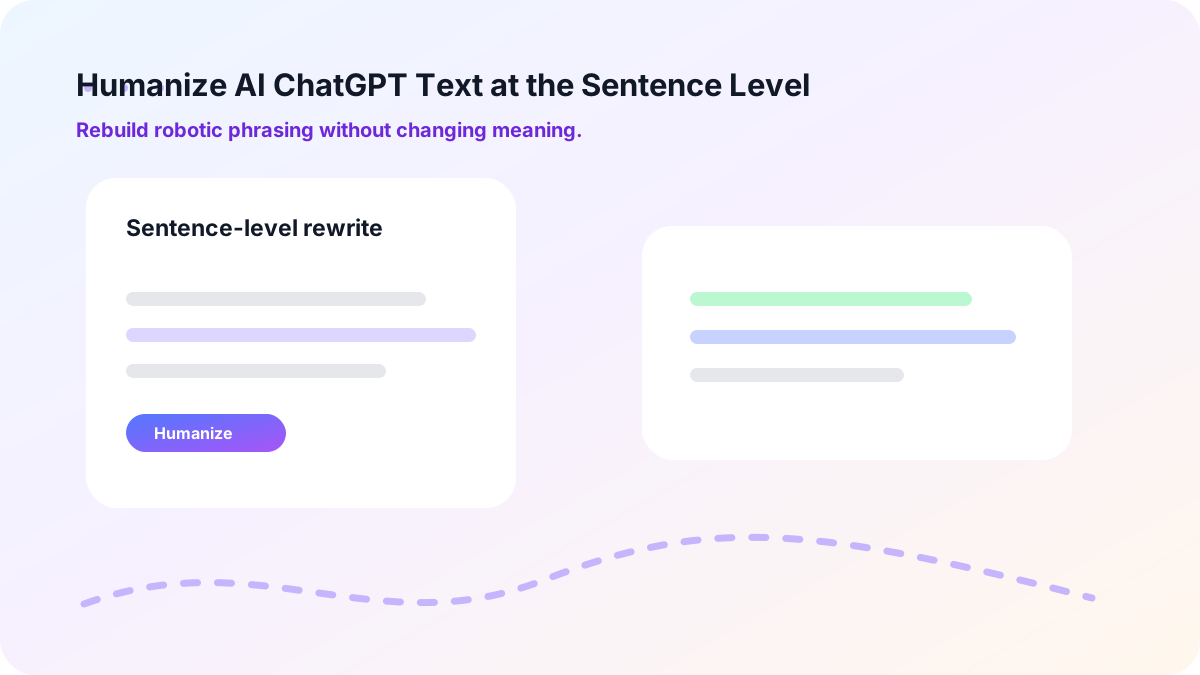
Humanize AI ChatGPT Text at the Sentence Level
To understand what human writing looks like, sentence by sentence, the rewriting engine studied over 1.2 million samples of academic writing, essays, and AI-generated text. It's a broad enough foundation to cover all the bases, including simple word frequency. Robotic phrasing is rebuilt without affecting the meaning of your text, and to be honest, the model is constantly changing as the means of detection change too, so it's not following yesterday's rules.
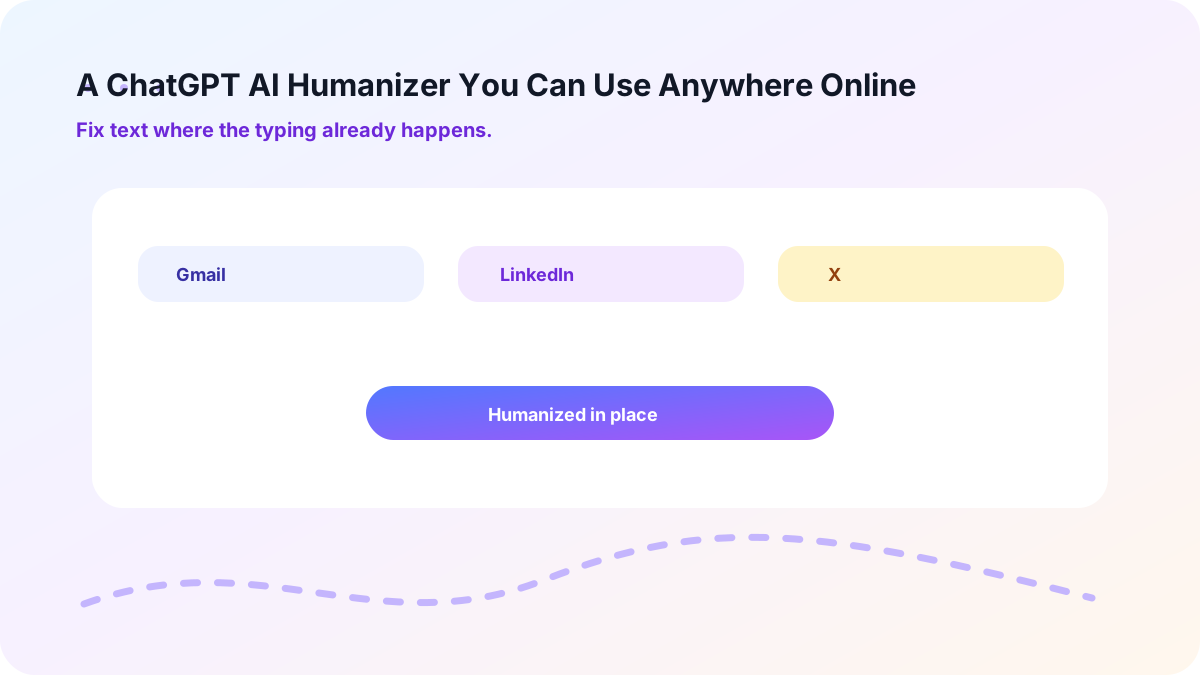
A ChatGPT AI Humanizer You Can Use Anywhere Online
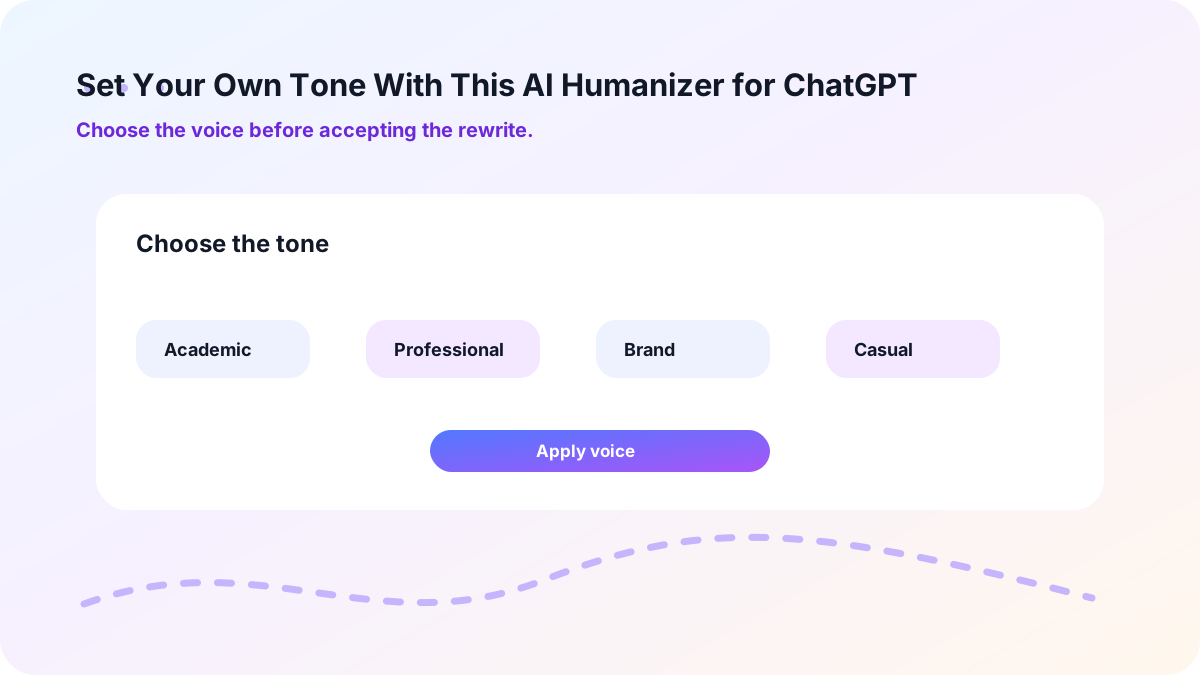
Set Your Own Tone With This AI Humanizer for ChatGPT
How to Humanize AI Text in ChatGPT, in Any Language
Most tools are limited to an English-only solution, when global teams and multilingual writers require more than that. Lynote supports humanization in various languages around the world, which means that international blog posts, academic papers, and business communication in general will sound natural, regardless of which language they were written in.
One AI ChatGPT Humanizer for Every Kind of Writing
Students make homework feel like their own, with the help of AI. Blog writers and web copywriters take blog drafts and web copy and run them through before publishing. Professionals tidy up emails and reports before they get in other people's inboxes. A few very different jobs, a single tool, and it doesn't miss a beat.
Who Actually Needs a ChatGPT Humanizer

Research Academic
Even if a paper is reread many times, it doesn't sound quite as natural in the third section as it should if it is due to the advisor by Friday. It is a good idea to run it through Lynote first to retain the academic tone and to eliminate any sounds that sound machine-generated.

Marketing Manager
AI-generated campaign copy needs to feel like it's from a real brand, not just a template that was filled in. Lynote will handle those that come before any are sent to a client or published to any public place.

Content Creator
Search engines and readers both notice when a blog post reads as if it rolled straight out of ChatGPT with no second look. Running drafts through Lynote first keeps content ranking well and sounding like an actual person wrote it, because one did.

Graduate Student
A blog post that seems like it was written by ChatGPT, without being read a second time, will be seen by both search engines and readers. Drafts that pass through Lynote first will have a good rank and sound as if it was written by a real person.
How to Humanize AI Text in ChatGPT, Step by Step
1. Drop In Your ChatGPT Draft
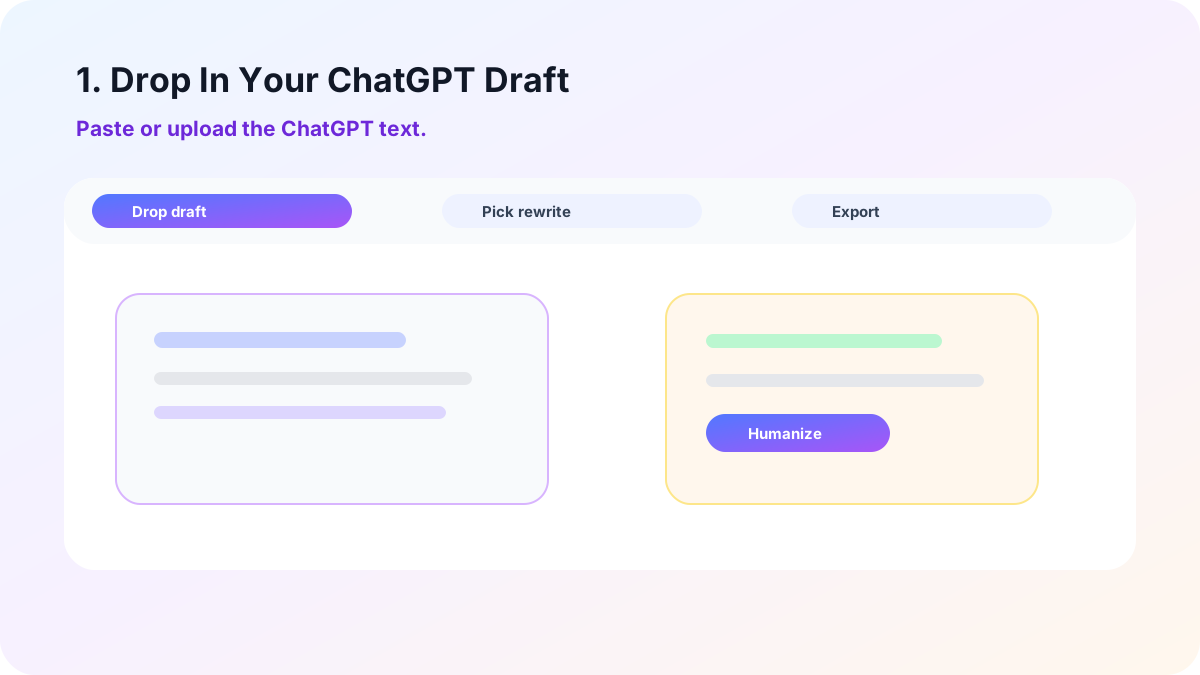
Copy and paste the text directly from ChatGPT or upload the file if it's more convenient for you. The other end will land in the same spot on either side.

2. Pick How Strong the Rewrite Should Be
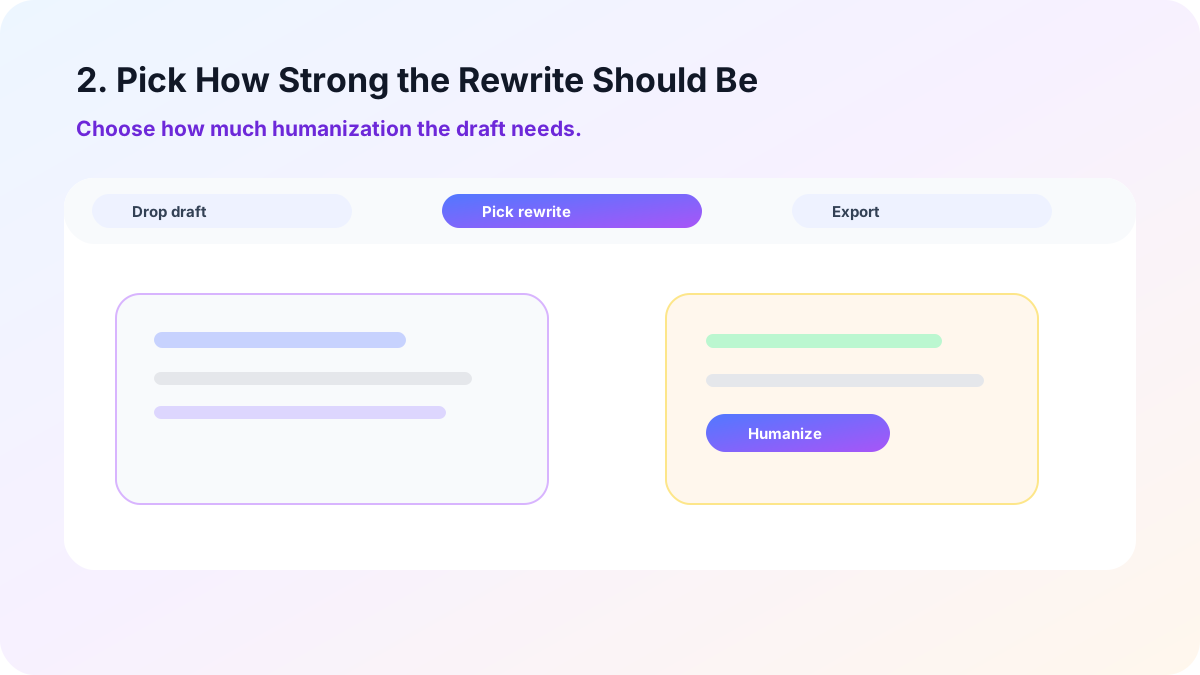
Select a humanization mode corresponding to the job. Light is used for a speedy polish. If the draft still feels like it's clearly AI-generated after the initial draft, go heavier.
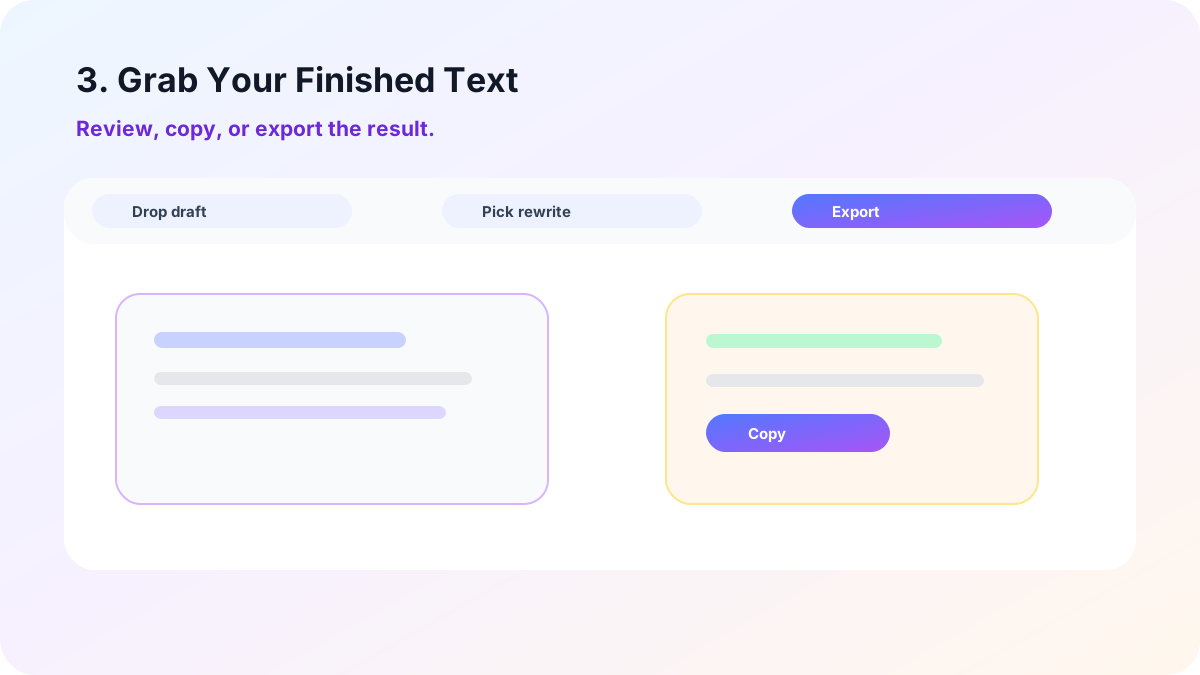
3. Grab Your Finished Text
Read through the result, and then copy it out or export it directly to a document. It's ready when it is right for you, not a second early.
What People Say About Our ChatGPT AI Humanizer

Research Academic

"I would be spending my evenings polishing up draft papers, but now I'm taking them through Lynote, and I'm getting hours of editing time back every week."

Content Creator
"I outline with AI, but the results always seemed stiff to me, but not with Lynote."

Marketing Manager
"We're creating a ton of copy, and everything must sound like the same brand talking, and that's what Lynote has become for us now."

Graduate Student
"I don't speak English as my native language, so I second-guess myself all the time, and probably too much. Lynote smooths my essays out without taking away from what I actually meant to say."

Content Creator
"Our engagement on the site has definitely increased since we started running drafts through Lynote first, and it just doesn't read like an AI wrote it."

Research Academic
"I want my writing voice to be consistent throughout a dozen papers per year, and I think that's better done by Lynote than I thought it would be. It cleans up anything that reads too mechanical."
Frequently Asked Questions
Nope, it can be used with text from any AI tool out there. The name ChatGPT is just as it was intended; it's where most people begin.
It's constructed and tested with the most common detectors that people actually use, including the ones it uses, so it's actually human-readable output, not some clever trick to fool one detector.
A generous amount of free use, and lots for most individual documents. If you're using it heavily, then a paid plan might be more worthwhile.
All the facts, names and structure remain the same; only the sentence-level writing style changes under all of that.
Yep, go for a light edit, or a heavy rewrite, depending on how the draft sounds after that initial pass through AI.
Your content remains private and is not utilized to educate models outside. It's there to use and export and that's all.
More Lynote Tools to Humanize, Rewrite, and Check AI Text






Helpful Reads on AI Humanizing and Natural Writing
Explore practical Lynote guides on AI humanization, detector-aware editing, natural AI writing, SEO drafts, academic text, and professional content workflows.