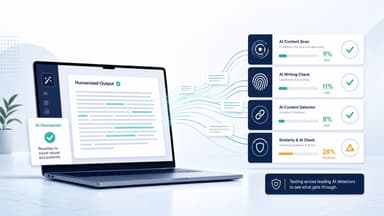


AIが生成した文章は、速く、便利で、どこにでもあります。しかし、優れたAIドラフトでさえ、洗練されすぎている、予測可能すぎる、あるいは構造的にきれいすぎるように聞こえることがよくあります。まさにそれが、AIヒューマナイザーツールがこれほど人気を集めている理由です。
この分野でよく知られている名前の1つが、Walter Writes AI Humanizerです。
Walterは、単なる言い換えツールとして自らを位置付けていません。ChatGPT、Claude、Geminiからのコンテンツをより自然な文章に書き換え、GPTZero、Turnitin、Originality.ai、Copyleaksなどのプラットフォームでの検出リスクを軽減するのに役立つ、検出器対応のAIヒューマナイザーとして売り出しています。
これは強力な約束です。
しかし、Walter Writes AI Humanizerは実際にその約束を果たしているのでしょうか?
このレビューでは、Walter Writes AI Humanizerが何をするのか、どこが優れているのか、どこに注意が必要なのか、そしてより深い人間化と信頼性の高い検出器対応の書き換えを必要とするユーザーにとって最良の選択肢であるかどうかを実践的に見ていきます。
Walter Writes AI Humanizerとは?
Walter Writes AI Humanizerは、AIが生成したテキストを、より自然で人間らしく、機械が生成したとは分かりにくい文章に変換するために設計された書き換えツールです。
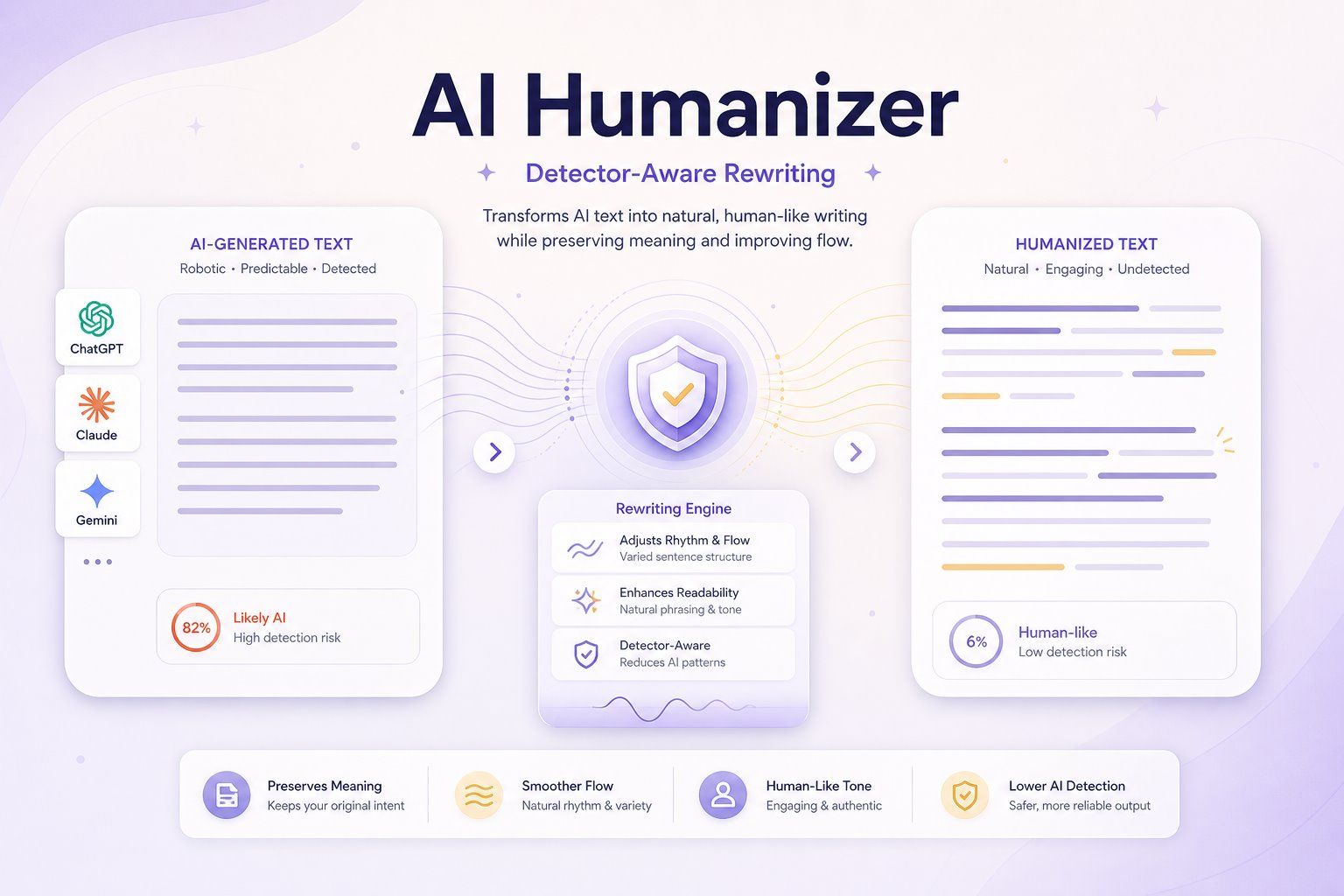
Walterの公開製品ページによると、このツールは以下の目的で構築されています。
- ChatGPT、Claude、GeminiからのAIテキストを人間化する
- AI検出器が探す一般的なパターンを減らす
- 元の意味を保持する
- 流れ、リズム、読みやすさを改善する
- 複数のユースケースで検出器対応の書き換えをサポートする
Walterはまた、内蔵AI検出器、複数の「バイパス」レベル、80以上の言語サポート、APIアクセス、そして学生、エッセイ、SEO、学術、ビジネスライティング向けの専用ページを提供しています。
その製品ポジショニングは重要です。
Walterは単にきれいな言葉遣いを約束しているわけではありません。AI検出を意識した書き換えを明確に約束しています。
Walter Writes AI Humanizerの仕組み
Walterの公開ドキュメントと製品メッセージに基づくと、このヒューマナイザーは、軽い同義語の置き換えではなく、より深い構造の再構築に焦点を当てているようです。
Walterは、AI検出器が認識するように訓練されている「指紋」の種類を具体的にターゲットにしていると述べています。例えば、
- 予測可能な単語の選択
- 均一な文の長さ
- 反復的な構造パターン
- ロボットのような言い回し
- リズムと流れのバリエーションの少なさ
実際には、このツールはAIが生成した文章をいくつかの方法で改善しようとしていると考えられます。
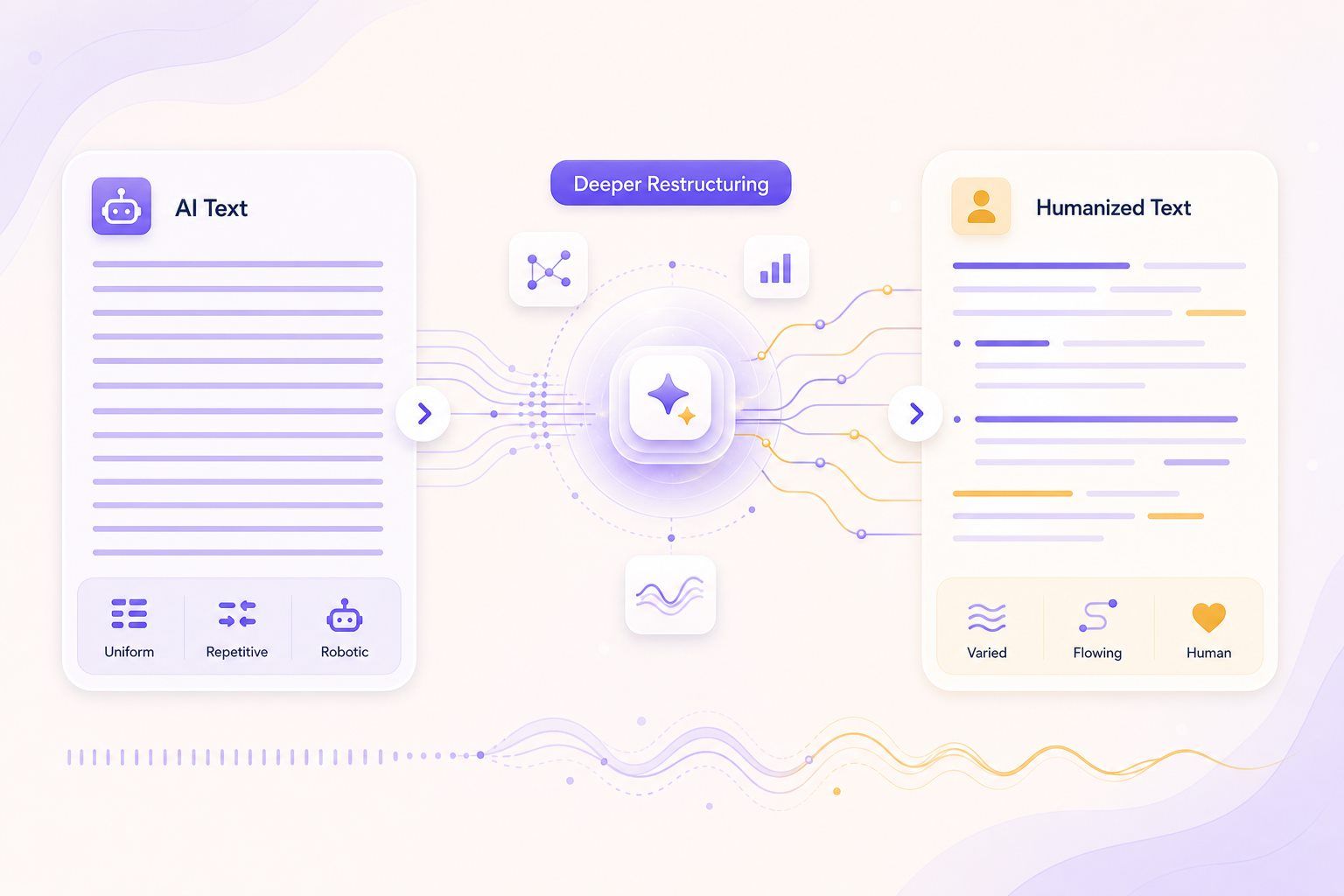
1. ロボットのような言い回しを書き換える
AIのドラフトは、しばしば滑らかに聞こえますが、定型的です。Walterは、文の構造を変更し、反復的な接続詞を減らすことで、これに対処しているようです。
2. リズムと文の流れを変える
Walterの製品メッセージは、リズムと自然な流れを強調しており、AIライティングにありがちな過度に均一なペースを打ち破ろうとしていることを示唆しています。
3. 構造を変更しながら意味を保持する
ほとんどのAIヒューマナイザーと同様に、Walterはメッセージを保持しつつ、テキストが人工的でないように感じさせると主張しています。
4. 人間化と内蔵検出を組み合わせる
Walterの明確な利点の1つは、単なる書き換えツールではないことです。内蔵チェッカーも含まれており、迅速な書き換えとレビューのサイクルを求めるユーザーにとって、ワークフローをより完全なものにします。
5. さまざまな書き換え強度レベルを提供する
Walterのヘルプドキュメントには複数のバイパスレベルが記載されており、レベルが高いほどより深い書き換えが適用されます。これは、ユーザーが軽い編集とより積極的な構造変換の間でトレードオフできることを示唆しています。
したがって、簡単に言えば、Walter Writes AI Humanizerは、検出器に敏感な文章のために特別に構築された、書き換えと検出を組み合わせたシステムとして位置付けられています。
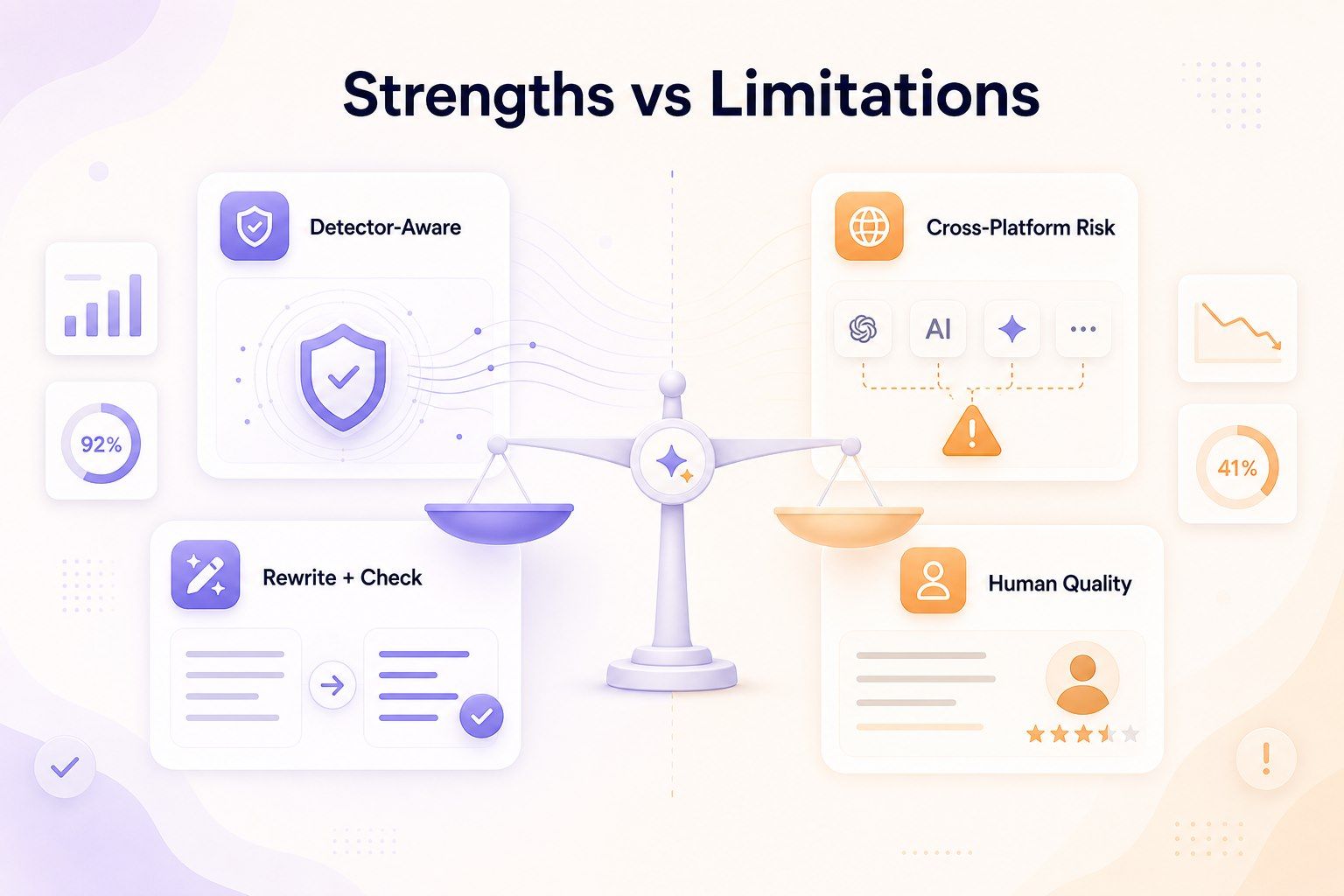
Walter Writes AI Humanizer レビュー:主な強みと限界
Walter Writes AI Humanizerには、特にシンプルな書き換えツールと比較して、いくつかの真の強みがあります。しかし、その主張も慎重に解釈する必要があります。
Walter Writes AI Humanizerの主な強み
明確な検出器対応のポジショニング
Walterは多くの競合他社よりもはるかに直接的です。GPTZero、Turnitin、Originality.aiなどのツールからのフラグを回避または軽減することを公然と宣伝しています。
内蔵の書き換えとチェックのワークフロー
これは最も有用な利点の1つです。ユーザーに1つのツールで書き換え、別の場所でテストすることを強制するのではなく、Walterは両方のステップを1つの製品体験にまとめます。
幅広いユースケース対応
Walterは、学生、エッセイ、SEO、学術、履歴書、ビジネスライティング向けの専用ユースケースを持っています。これにより、このプラットフォームは、一般的な万能書き換えツールよりも意図的に感じられます。
APIとスケーリングオプション
WalterはAPIアクセスとチームレベルのプランもサポートしており、多くの軽量な消費者向けヒューマナイザーツールよりも運用面で本格的です。
80以上の言語サポート
英語のみのワークフロー以外のユーザーにとって、幅広い言語サポートは重要な機能です。
Walter Writes AI Humanizerの主な限界
強力な製品主張は独立した検証と同じではない
Walterは非常に強力な検出回避の主張を公開していますが、公式の製品例は中立的な第三者によるテストと同じではありません。
検出器の結果は本質的に不安定
強力なヒューマナイザーであっても、検出器、コンテンツの種類、検出器のバージョン、テキストの長さによってパフォーマンスが異なる場合があります。
内部検出は有利なエコシステム効果を生み出す可能性がある
製品が自身のプラットフォーム内で出力の書き換えと評価の両方を行う場合、その結果はクロスプラットフォームテストが示唆するよりも有利に見える可能性があります。
検出器を通過することと、真に人間らしく聞こえることは同じではない
一部のツールは、特に強力な文章品質を生み出すことなく、検出リスクを低減します。ユーザーは、出力が実際の読者にとって自然で、個人的で、説得力があると感じられるかどうかを評価する必要があります。
したがって、全体として、Walter Writes AI Humanizerは単純な言い換えツールよりも実質的に見えますが、その最も強力な公開主張は依然として適切な注意を払って読む必要があります。
Walter Writes AI Humanizerは本当にAI検出器を通過できるのか?
これは、Walter Writes AI Humanizerのレビューにおいて最も重要な質問の1つです。
Walterは、単なる言い換えツールではなく、検出器対応のヒューマナイザーとして自らを位置付けています。そのため、実世界でのテストが特に重要になります。製品の主張だけに頼るのではなく、Walterが書き換えた出力をいくつかの主要なAI検出器に通し、プラットフォーム間で結果を比較する方が良いアプローチです。
これは重要です。なぜなら、1つの検出器を通過したからといって、自動的に別の検出器も通過するわけではないからです。異なるツールは異なる信号を探し、検出器の動作は時間とともに変化する可能性があります。
以下は、Walter Writes AI Humanizerがいくつかの広く使用されているAI検出器でどのように機能したかを示しています。
GPTZeroの結果
同じWalter Writesの出力が、次にGPTZeroを使用してテストされました。
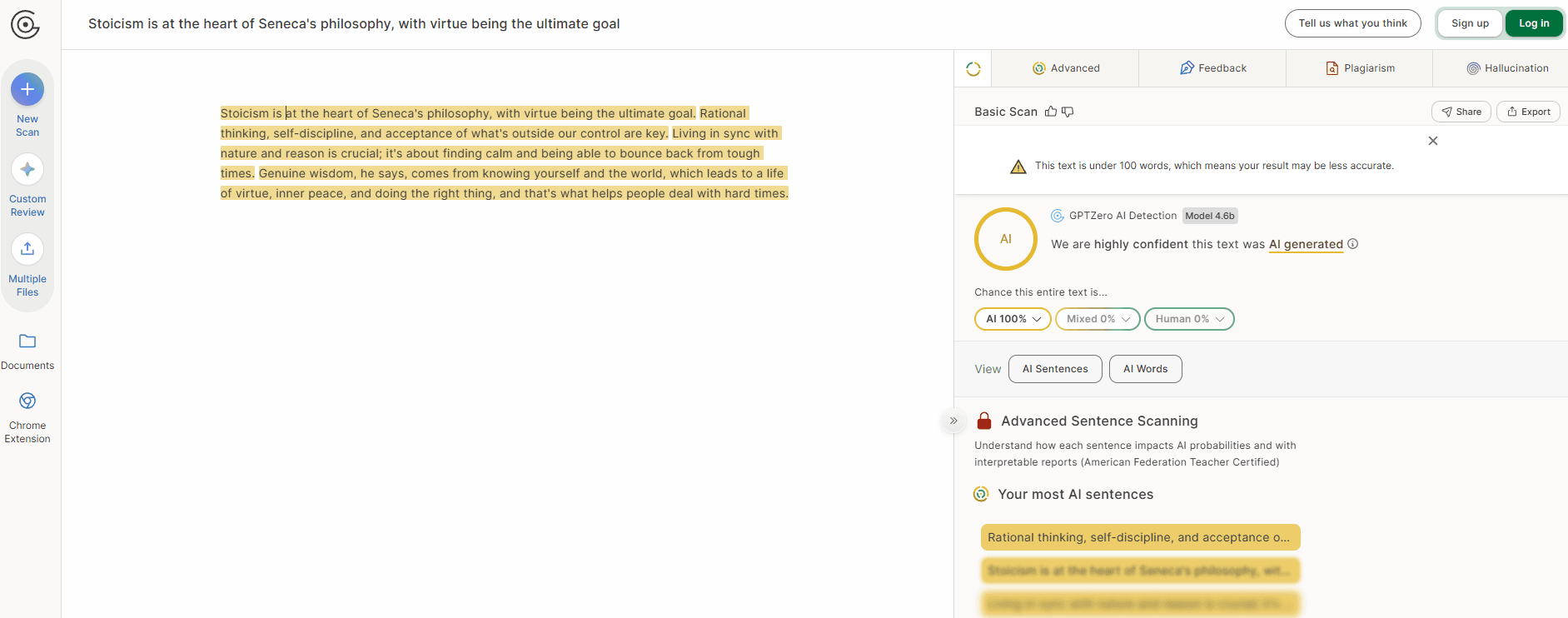
GPTZeroはサンプルを100% AI生成とマークし、テキストがAIによって書かれたものであると非常に確信していると述べました。言い換えれば、Walterの書き換えは、このテストでGPTZeroが探していたパターンを意味のある形で減らすことはできませんでした。
GPTZeroは教育分野や一般的なAIコンテンツの議論で最も頻繁に引用されるAI検出器の1つであるため、これは重要な限界です。Walterがここで完全にフラグ付けされる場合、ユーザーは検出器に敏感な文章でそれに頼ることに注意する必要があります。
Copyleaks AI検出器の結果
次に、書き換えられたテキストはCopyleaks AI検出器でチェックされました。
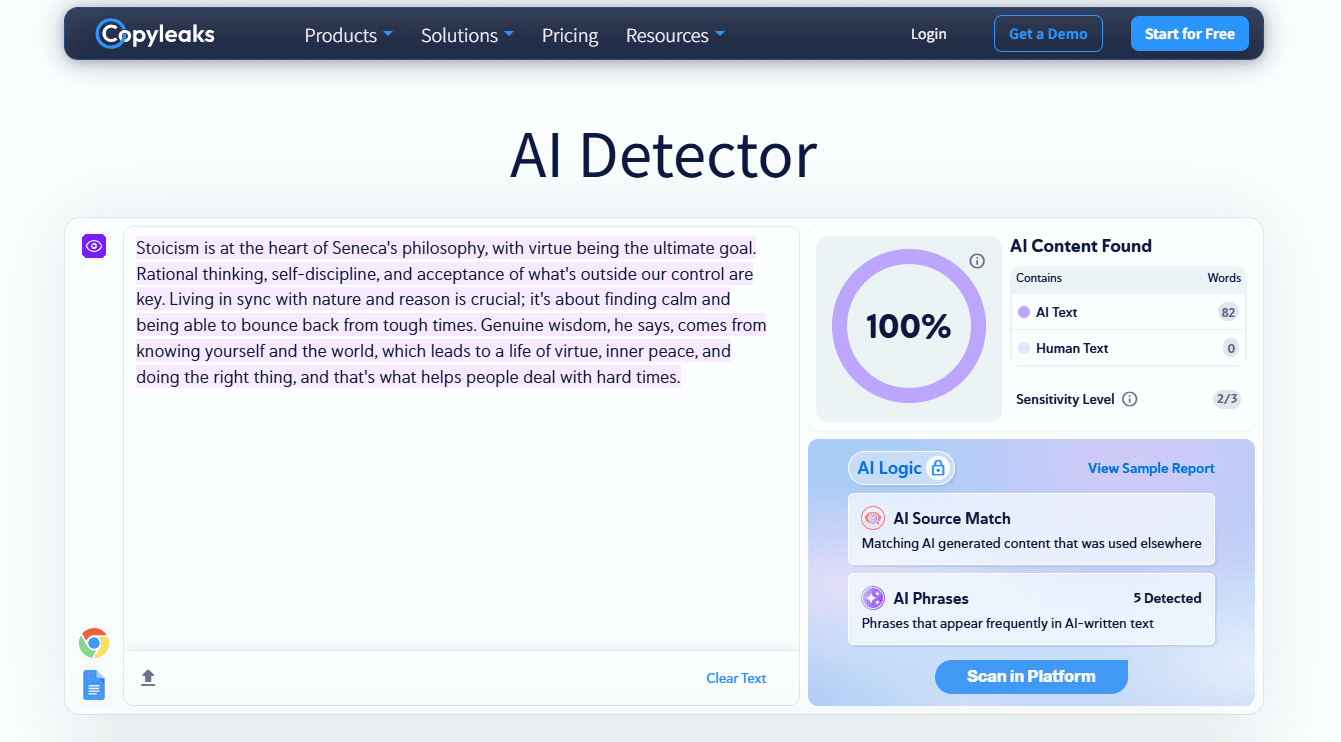
Copyleaksはサンプルを100% AIコンテンツ検出と識別し、82のAIテキスト単語と0の人間テキストが検出されました。これは、クロスプラットフォームテストにおけるもう1つの非常に明確な失敗です。
この結果は重要です。なぜなら、Copyleaksはより厳格な機関やプロフェッショナルなワークフローで頻繁に使用されるからです。ヒューマナイザーがここで完全にフラグ付けされる場合、テキストが表面上はより洗練されて見えても、書き換えがAI生成された文章に関連する構造的信号を保持している可能性があることを示唆しています。
Originality.aiの結果
同じサンプルはOriginality.aiでもテストされました。
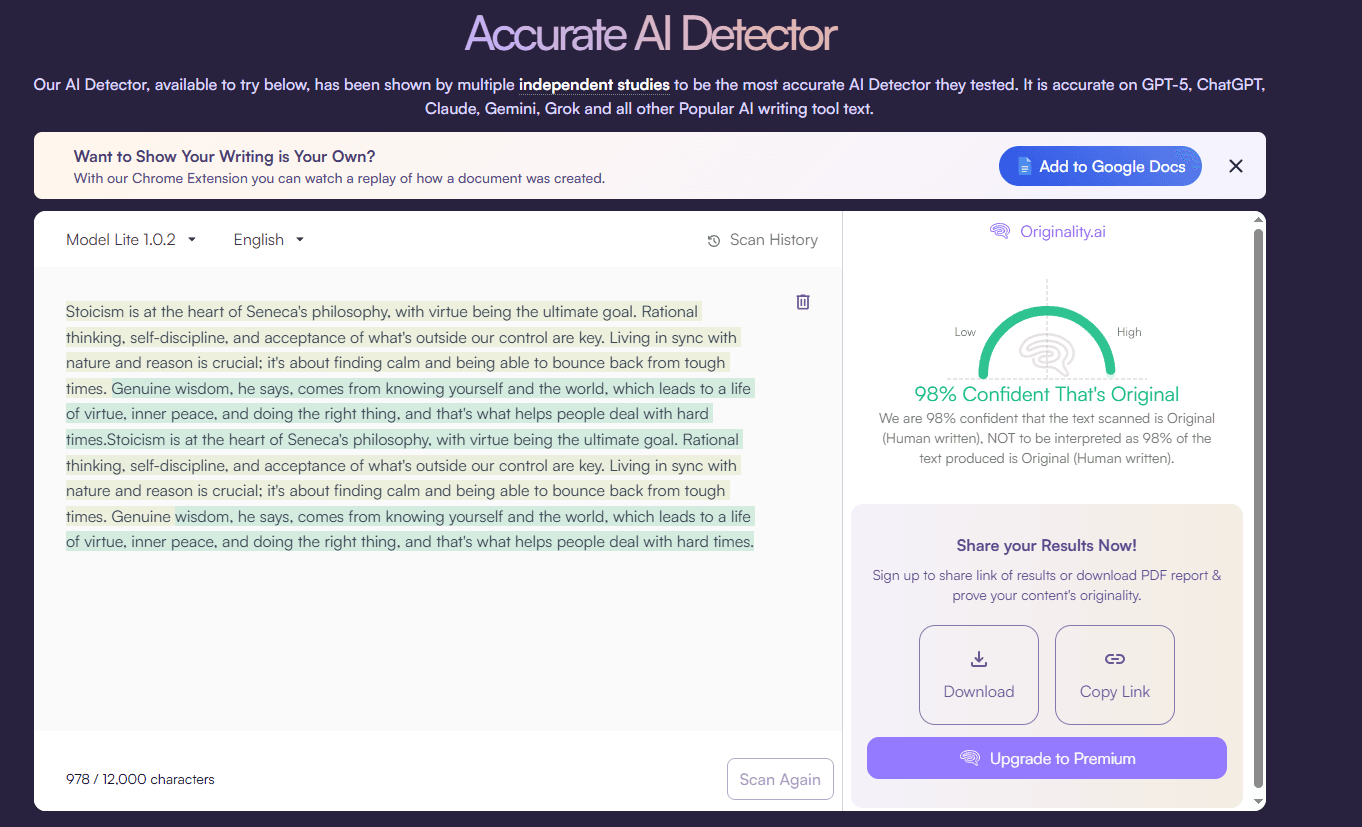
このテストでは、Originality.aiはサンプルを98%オリジナルであると確信しているとマークしました。これはGPTZeroやCopyleaksで見た結果よりもはるかに強力です。これは、Walter Writesが、少なくとも一部のケースでは、特定のコンテンツに特化した検出器で良好に機能するのに十分な検出可能なAI構造を減らすことができることを示唆しています。
これは、Originality.aiが出版ワークフローで最も目立つ検出器の1つであるため、ブロガー、アフィリエイトパブリッシャー、SEOライターにとって特に関連性が高いです。ここでの強力な結果は、GPTZeroとCopyleaksの結果だけが示唆するよりも、コンテンツのユースケースにおいてWalterをより信頼できるものに見せます。
同時に、この結果は慎重に解釈されるべきです。Originality.aiでの高いスコアは、他の検出器での失敗を打ち消すものではありません。それは単に、Walterのパフォーマンスが一貫して弱いわけでも、一貫して強いわけでもなく、ムラがあることを示しています。
QuillBot AI検出器の結果
書き換えられたサンプルは、次にQuillBot AI検出器でテストされました。
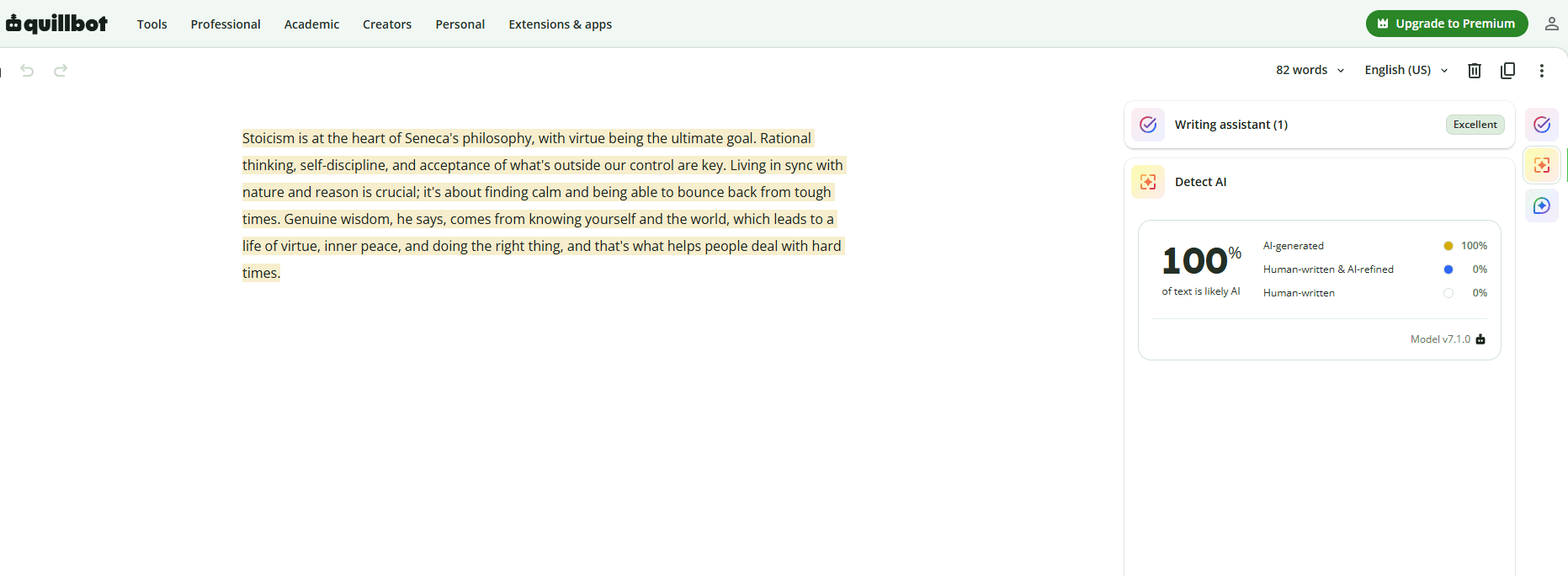
結果は、テキストの100%がAIである可能性が高いことを示し、0%の人間が書いたテキストが検出されました。これは、このテストセットにおいてQuillBotがOriginality.aiよりもGPTZeroとCopyleaksにはるかに近い位置にあることを示しています。
これは、Walter Writesがプラットフォーム間で確実に検出を回避できるわけではないというもう1つの兆候を追加します。出力がより滑らかになったり、読みやすくなったりしても、検出器が認識するパターンが十分に深く除去されたとは限りません。
Turnitin AI検出器の結果
最後に、Walter Writesの出力はTurnitin AI検出器でテストされました。
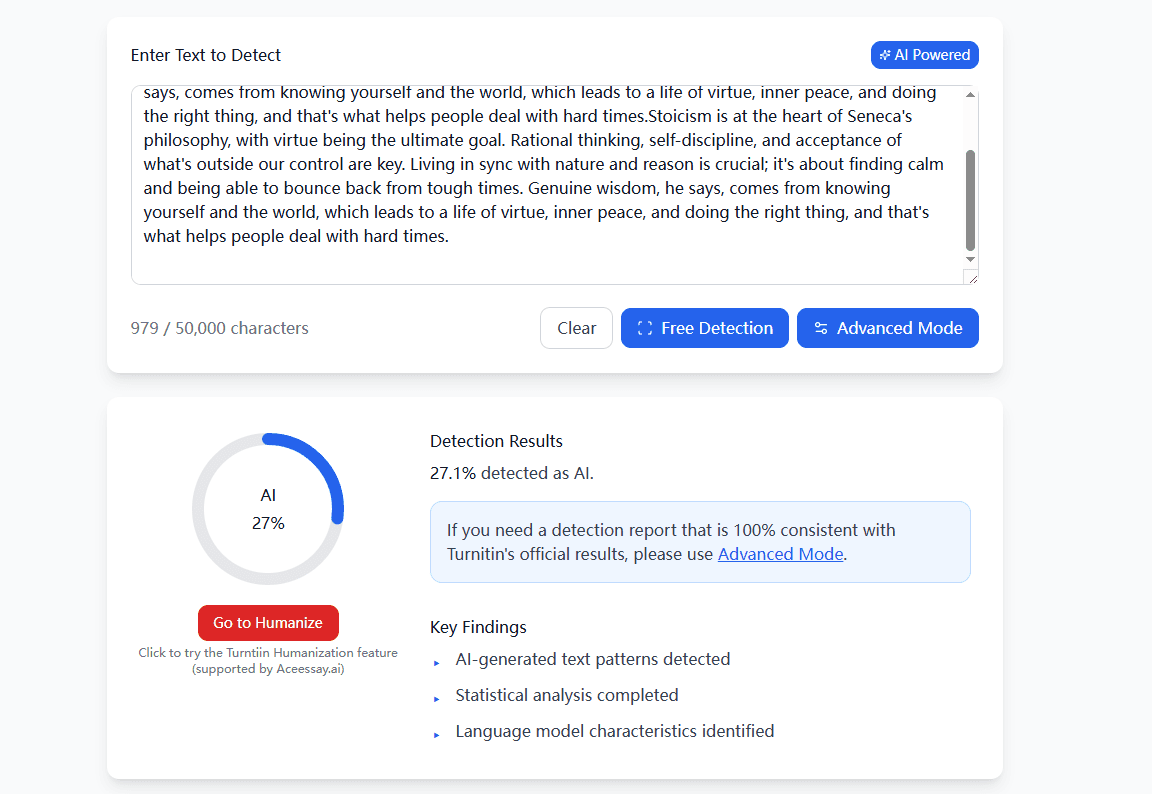
Turnitinに準拠した検出器テストでは、サンプルは27.1%がAIとして検出されたとマークされました。これは100%のAIフラグよりも意味のある改善であり、Walter Writesがこのバージョンのテキストで検出可能なAIパターンの一部を減らしたことを示唆しています。
しかし、これは完全に通過したのと同じではありません。27.1%のAI信号は、出力が改善されたものの、完全にクリアされたわけではないことを意味します。学術環境や高リスクの提出環境のユーザーにとっては、依然としてかなりの不確実性が残ります。
この結果は、決定的な証拠というよりも部分的な勝利として理解するのが最適です。Walter Writesは一部の状況で検出リスクを低減する可能性がありますが、そのリスクを排除するものではありません。
これらの結果が実際に意味することとは?
これらの結果を総合すると、Walter Writes AI Humanizerは主要なAI検出器全体で一貫して信頼できるわけではないことが示されています。
Originality.aiでは良好なパフォーマンスを示し、Turnitinに準拠したテストでは部分的な改善が見られましたが、GPTZero、Copyleaks、QuillBotでは依然として完全にフラグ付けされました。これは非常に複雑な結果です。
したがって、最も合理的な結論は次のとおりです。Walter Writesは一部の環境で検出を減らすのに役立つかもしれませんが、普遍的なAI検出器バイパスツールとして扱えるほど信頼できるとは思われません。
軽い書き換えや時折の検出器改善のみを求めるユーザーにとっては、Walterは依然として有用かもしれません。しかし、より強力なクロスプラットフォームパフォーマンス、より深い書き換え、そして複数の主要なAI検出器を通過する可能性を高めたい人々にとっては、Lynote AI Humanizerのようなより高度な代替手段が依然としてより安全な選択肢です。
Walter Writes AI Humanizerよりも優れた代替手段はあるか?
Walter Writes AI Humanizerは信頼できるツールです。多くの競合他社よりも強力な検出器対応ワークフローを備えており、その書き換えとチェックを組み合わせたモデルは本当に実用的です。
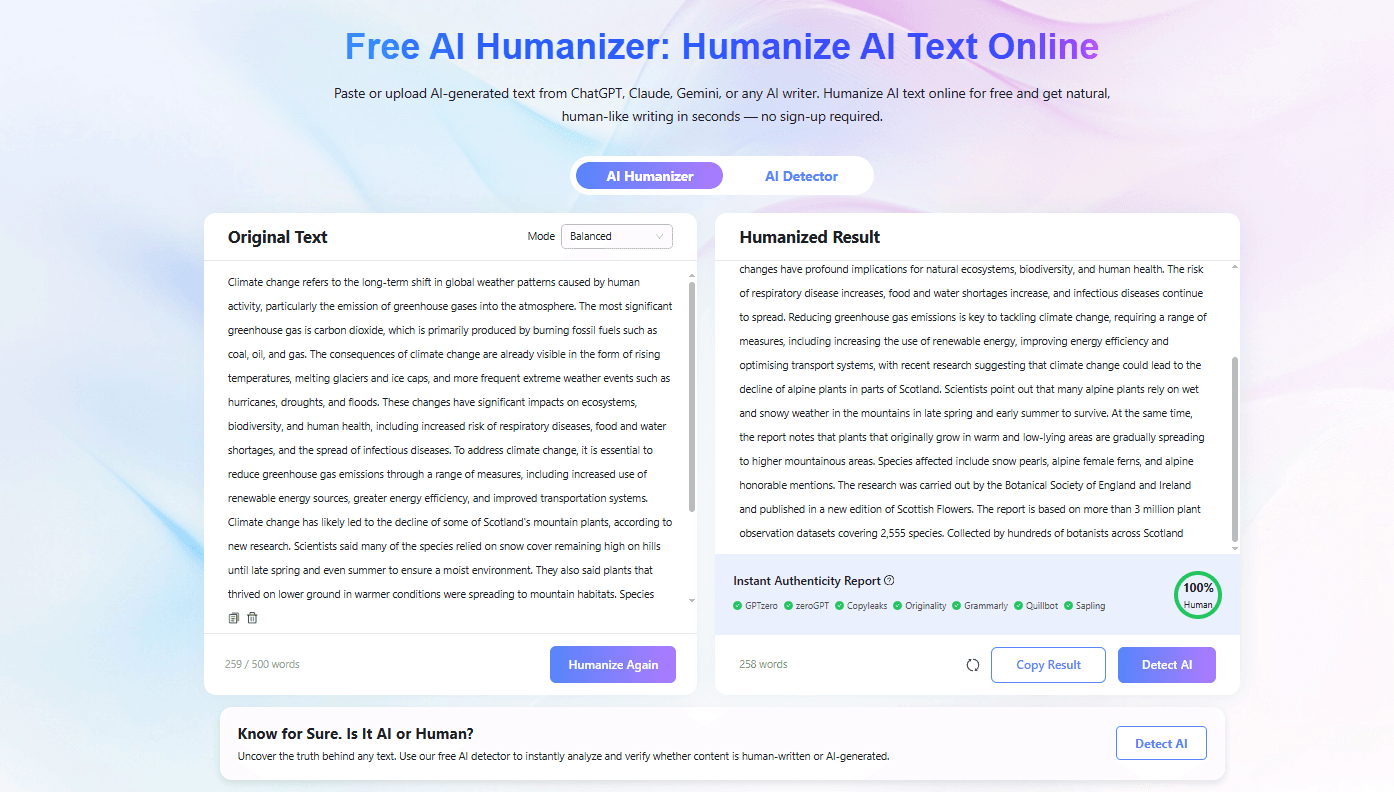
しかし、より自然な文章の質感でより深い人間化を目指すのであれば、Lynote AI Humanizerが依然としてより良い代替手段です。
理由は簡単です。
Walter Writesは、検出回避のポジショニングとワークフローの利便性に重点を置いて最適化されています。Lynote AI Humanizerは、検出器の疑いを減らすだけでなく、構造レベルでテキストをより自然に書かれたように聞こえさせることが目標である場合に、より強力に感じられます。
これは重要です。なぜなら、AIが生成したコンテンツの多くは、不自然な言葉遣いよりも深い理由で検出可能だからです。一般的な信号には以下が含まれます。
- 過度に均一なリズム
- 予測可能な接続
- 一般的な言い回し
- 反復的な段落の動き
- 洗練されているが感情に欠ける表現
より強力なAIヒューマナイザーは、単に文を言い換えるだけでなく、これらのより深い信号に対処する必要があります。
Lynote AI Humanizerが優れている理由
Lynoteはより本物の人間らしい文章の感触に焦点を当てる
Walterは検出器対応のポジショニングに強いです。Lynoteは、テンプレート感が少なく、より自然に書かれたように感じる文章を生成することに優れています。
Lynoteは長文コンテンツに適している
エッセイ、ブログ、SEO記事、およびより長いコンテンツの場合、迅速な修正よりも深い書き換えが重要です。Lynoteはそこにより適しています。
Lynoteはコンテンツ品質優先のワークフローに優れている
検出器を通過するだけでなく、実際の読者にとってより説得力のある文章を公開することが目標であれば、Lynoteが全体的に優れた選択肢です。
したがって、Walter Writesは真剣な選択肢ですが、より深い書き換えとより自然な文章品質のためには、Lynote AI Humanizerが依然としてより強力な代替手段です。
Walter Writes AI Humanizerは誰が使うべきか?
Walter Writes AI Humanizerは、以下を求めるユーザーに最も適しています。
- 検出器対応の書き換え
- 内蔵の書き換えとチェックのワークフロー
- 学術またはSEO指向のユースケース
- 幅広い言語サポート
- APIまたはチームベースのスケーリング
以下を最も重視するユーザーには、あまり理想的ではないかもしれません。
- 可能な限り最も自然な文章の質感
- 長文における声の統一性
- より深い人間らしいバリエーション
- 検出器のパフォーマンスだけでなく、コンテンツの品質
Walter Writes AI Humanizerに関するよくある質問
Walter Writes AI Humanizerは無料ですか?
Walterは一部のページで無料のエントリーポイントとトライアル形式のアクセスを提供していますが、制限があります。ユーザーは公式の料金ページで最新の詳細を確認する必要があります。
Walter Writes AI Humanizerは何をしますか?
AIが生成したテキストを書き換え、より自然で機械的でないように聞こえさせるとともに、AI検出信号を減らそうとします。
Walter WritesはChatGPT、Claude、Geminiのテキストをサポートしていますか?
はい。WalterはChatGPT、Claude、Geminiによって生成されたテキストで動作すると明示的に述べています。
Walter Writesには内蔵AI検出器がありますか?
はい。その主要な製品機能の1つは、内蔵検出器ワークフローです。
Walter Writes AI HumanizerはテキストがAI検出を回避することを保証できますか?
いいえ。真剣なレビューでそのようなツールを説明すべきではありません。検出器のパフォーマンスは不安定であり、多くの変数に依存します。
Walter Writes AI Humanizerの最良の代替手段は何ですか?
より深い書き換えとより自然な人間らしい結果を求めるなら、Lynote AI Humanizerがより強力な代替手段です。
最終評価:Walter Writes AI Humanizerは価値があるか?
Walter Writes AI Humanizerは弱いツールではありません。
これは、このカテゴリでより本格的な製品の1つであり、多くの軽量なAIヒューマナイザーよりも強力な検出器対応のポジショニングを持っています。内蔵検出器、書き換え強度コントロール、幅広いユースケース対応、APIアクセス、多言語サポートのすべてが、基本的な言い換えツールよりも実質的なものにしています。
しかし、強力な製品ポジショニングと、実証された普遍的な検出器パフォーマンスの間には依然として違いがあります。
実用的な書き換えとチェックのワークフロー、そしてAI検出の懸念を明確に考慮して構築されたヒューマナイザーを求めるなら、Walter Writesは魅力的に見えます。
しかし、より深い書き換え、より強力な人間らしい質感、そしてより良い全体的な文章品質が目標であれば、Lynote AI Humanizerが依然としてより良い選択肢です。
したがって、実用的な結論はシンプルです。
内蔵チェック機能を備えた本格的な検出器対応書き換えプラットフォームを求めるなら、Walter Writes AI Humanizerを使用してください。
より深い人間化とより自然で説得力のある文章を求めるなら、Lynote AI Humanizerを選択してください。

著者:Danny
プロダクトマーケティングマネージャー
ダニーが、Lynoteの機能が日常の生産性から製品の成長を促すライティングのユースケースまで、実際のワークフローにどのように適合するかを説明します。 すべての記事を見る →